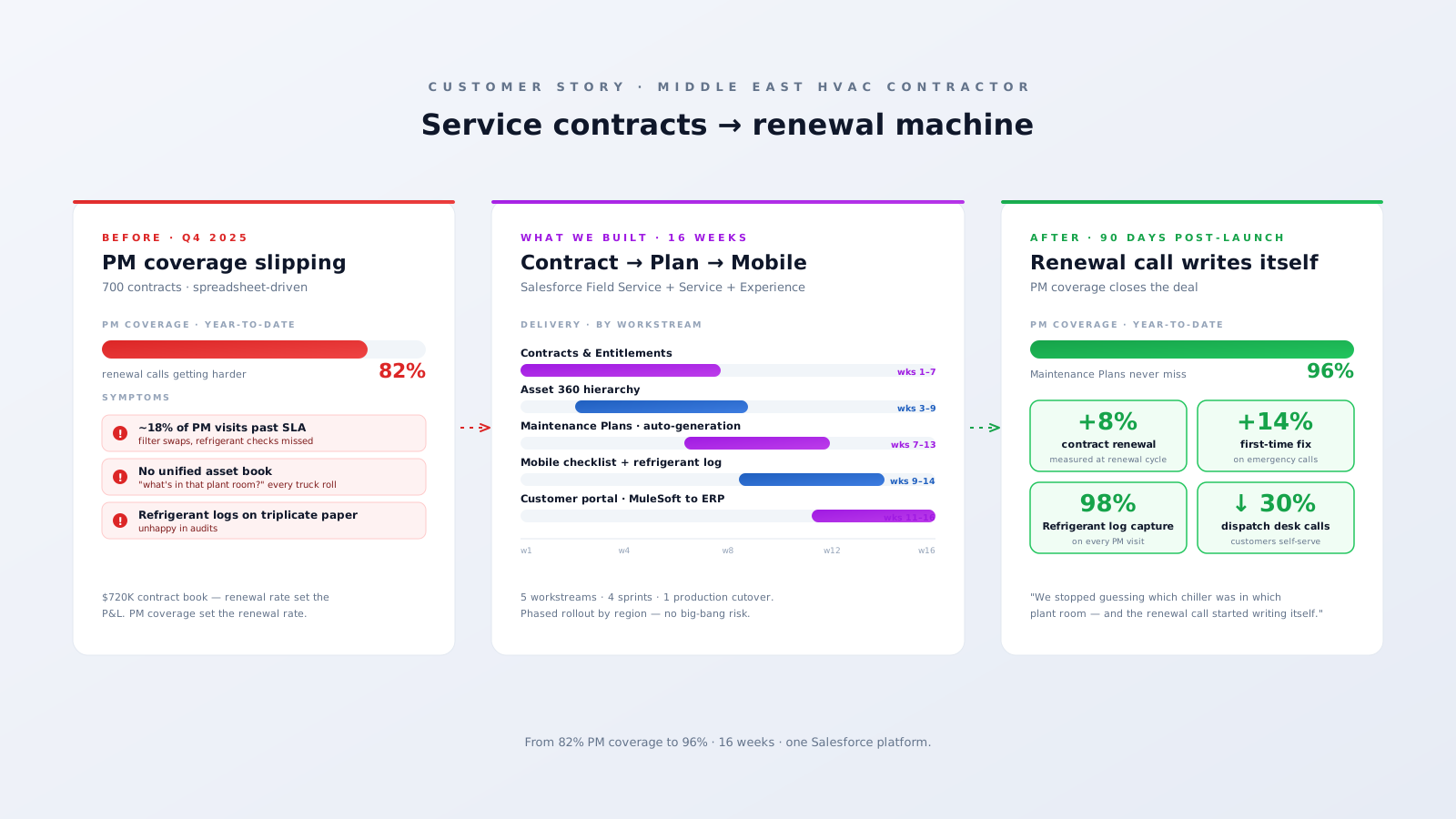
Commercial HVAC & facilities-management contractor · ~20 technicians · 700 active service contracts across 300 building systems in the Middle East
The contractor ran on a service-contract book worth around $720K annually — 700 active contracts across 300 building systems (chiller plants, air-handling units, and fan-coil networks) in towers and mixed-use developments across the Middle East. The book was the entire business: renewal rate determined cash flow, and PM coverage determined renewal rate.
The problem: PM scheduling lived in spreadsheets and dispatcher heads. About 18% of preventive visits were slipping past contract SLA each quarter — filter changes missed, refrigerant checks deferred, belt inspections forgotten until a chiller tripped in 45°C heat. In a Middle East summer, a failed plant room is a building-wide emergency — tenants notice within the hour. Renewal conversations got harder every year.
Emergency callouts were worse. With no unified asset book, every truck roll started with a discovery exercise: "what's actually in that plant room?" Half the visit was wasted before work began. Refrigerant-handling records — required under regional environmental regulations and the Montreal Protocol phase-down — lived on paper that piled up in dispatcher offices and were nobody's favorite during an audit.
We rebuilt the operation around three Salesforce primitives — Service Contracts driving Entitlements, Entitlements driving Maintenance Plans, and Asset 360 anchoring the whole thing.
Tech stack: Salesforce Field Service, Service Cloud, Experience Cloud, MuleSoft, Lightning Web Components, mobile inventory (Product Item / Product Request / Product Transfer).
“We stopped guessing which chiller was in which plant room — and in a Middle East summer, that's the difference between a renewal and a walkout.”
— Director, MEP & Facilities Operations, anonymized
We'll show you what Salesforce Field Service looks like running on your real operation. An actual configured org, not a slide deck.
Book a 30-min review